
Understanding the Token Migration Process
Table of Contents
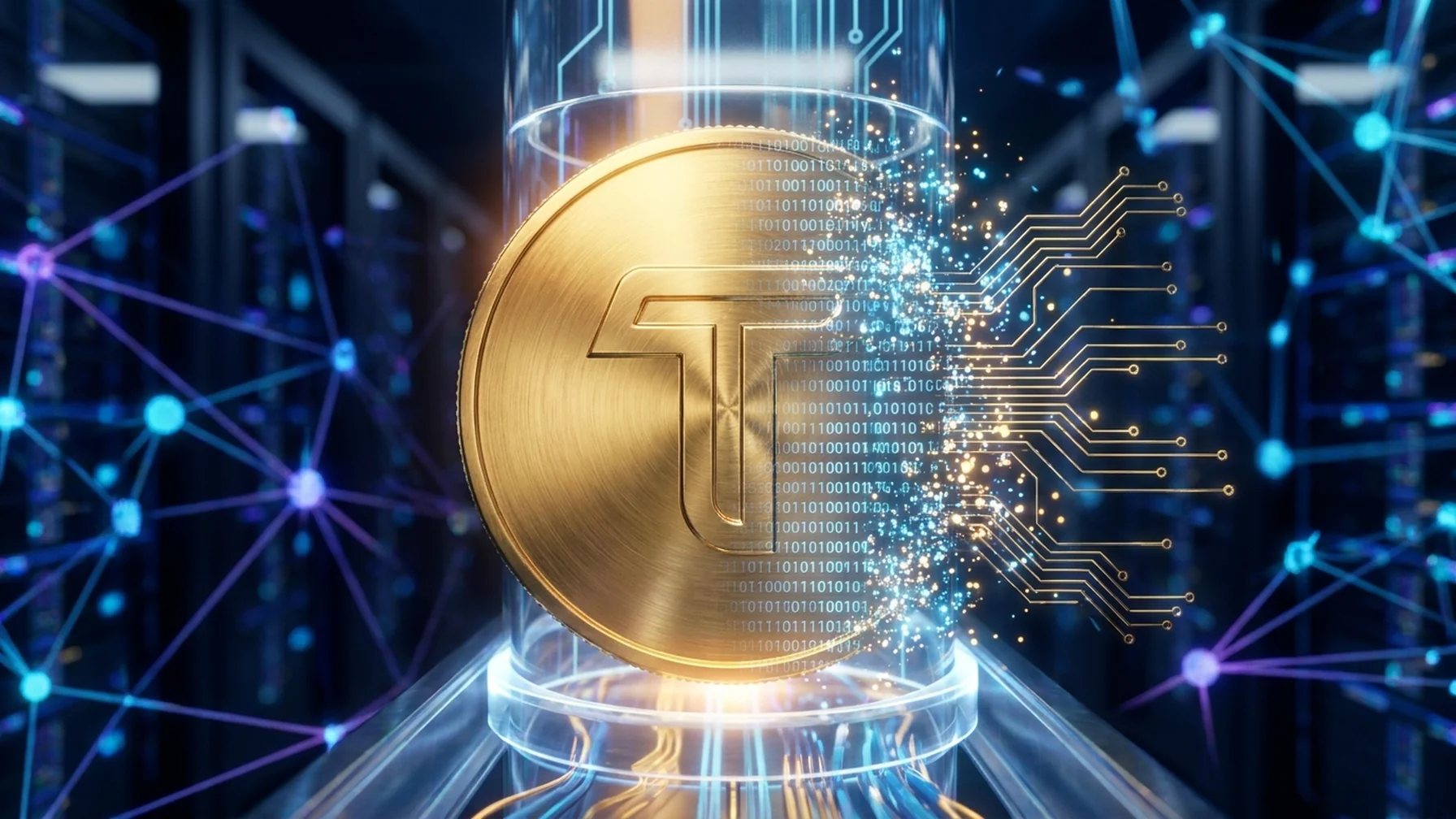
The world of cryptocurrencies is filled with various processes and terminologies, and one of the crucial processes is the token migration process. As projects evolve or change platforms, they may need to migrate their tokens. This process involves transferring a token from one blockchain to another, which can be due to several reasons, such as a need for better scalability, enhanced security, or reduced transaction costs. For instance, Binance Smart Chain (BSC) projects often migrate to Ethereum for its broader ecosystem. This article will delve into the intricacies of token migration, providing insights into tokenomics basics, evaluating crypto projects, and understanding the roles of different tokens like utility and security tokens. Whether you're a seasoned investor or a crypto novice, comprehending these elements is vital for safeguarding your digital assets during any migration.
What Is Token Migration?
Token migration refers to the process of transferring a token from one blockchain to another. This can occur for several reasons, such as a project moving to a more efficient blockchain or upgrading to a new token standard. For example, when EOS transitioned from Ethereum to its own blockchain, it was a classic case of token migration aimed at leveraging higher transaction throughput. It is essential for token holders to understand this process to ensure their assets are safely transferred without loss.
Reasons for Token Migration
Projects may initiate a token migration for various reasons. A common reason is the need to upgrade to a new blockchain that offers better functionality or lower transaction costs. Sometimes, projects may transition from a testnet to a mainnet, like when Solana made its move for increased speed and reduced fees. Other times, a move to a blockchain that provides better scalability and security is necessary, such as migrating from Ethereum Classic to Ethereum due to security concerns.
The Tokenomics Behind Token Migration
Understanding tokenomics is crucial for evaluating crypto projects. As tokens migrate, factors such as the vesting schedule, governance tokens, and token burns can influence the project's value. For example, during its migration, a project could implement a token burn to decrease supply, as seen with many DeFi tokens, potentially boosting the token's market price.
- Vesting Schedule: Defines how tokens are unlocked over time, impacting liquidity and market pressure.
- Governance Tokens: Allow holders to vote on significant project changes, including migration decisions.
- Token Burns: Reduces the total supply, potentially increasing the token's value.
Steps in the Token Migration Process
- Announcement: The project team announces the migration with details and timelines.
- Snapshot: A snapshot of the blockchain is taken to record token holdings.
- Swapping: Token holders swap their old tokens for new ones, often through a dedicated platform or wallet.
- Verification: Users verify their new tokens are received and functional on the new blockchain.
Each step is crucial to ensure the security and integrity of the tokens as they move to a new blockchain environment. An example of a smooth migration was seen with the VeChain project, where tokens were swapped seamlessly from the Ethereum network to the VeChainThor blockchain.
Token Standards and Migration
Token standards like ERC-20 for Ethereum or BEP-20 for Binance Smart Chain define the rules and functionalities of tokens. During migration, projects might upgrade to newer standards to leverage enhanced features or compatibility with decentralized exchanges (DEXs) and other platforms. For instance, a project initially using ERC-20 might switch to ERC-721 to take advantage of non-fungible token (NFT) capabilities.
Impact on Token Valuation
Token migration can significantly impact a token's valuation. Fully diluted valuation, circulating supply, and token unlocks can all affect how investors perceive the token's future value. Proper management of these factors during migration can maintain or even increase investor confidence. A real-world scenario includes the transition of Basic Attention Token (BAT) to a more advanced platform, which resulted in an uptick in its perceived utility and market value.
Challenges and Considerations
Token migration is not without challenges. Projects must consider the technical complexities and potential risks, such as loss of tokens during swapping or mismatches in token standards. Clear communication and support for token holders throughout the process are crucial for a successful migration. An example of a challenge was the TRON migration, where users had to ensure they swapped tokens before a specified deadline to avoid losing their assets.
Common Mistakes in Token Migration
There are several common mistakes to avoid during token migration. One frequent error is not double-checking the migration timelines, which can result in missed opportunities to swap tokens. Additionally, failing to use official channels for swapping can lead to scams or loss of tokens. For example, during the EOS migration, some users lost tokens by using unofficial wallets. To avoid these pitfalls, always follow the project's official guidelines and ensure all steps are verified through secure platforms.
Conclusion
The token migration process is a critical aspect of many crypto projects' evolution. Understanding the reasons behind migration, the steps involved, and the impact on tokenomics can help investors and token holders navigate these changes effectively. As the crypto space continues to grow, staying informed about processes like token migration ensures better decision-making and investment strategies. By learning from past migrations and adhering to best practices, stakeholders can safeguard their investments and seize new opportunities in the blockchain ecosystem.