Comparing Token Standards: A Comprehensive Guide
Table of Contents
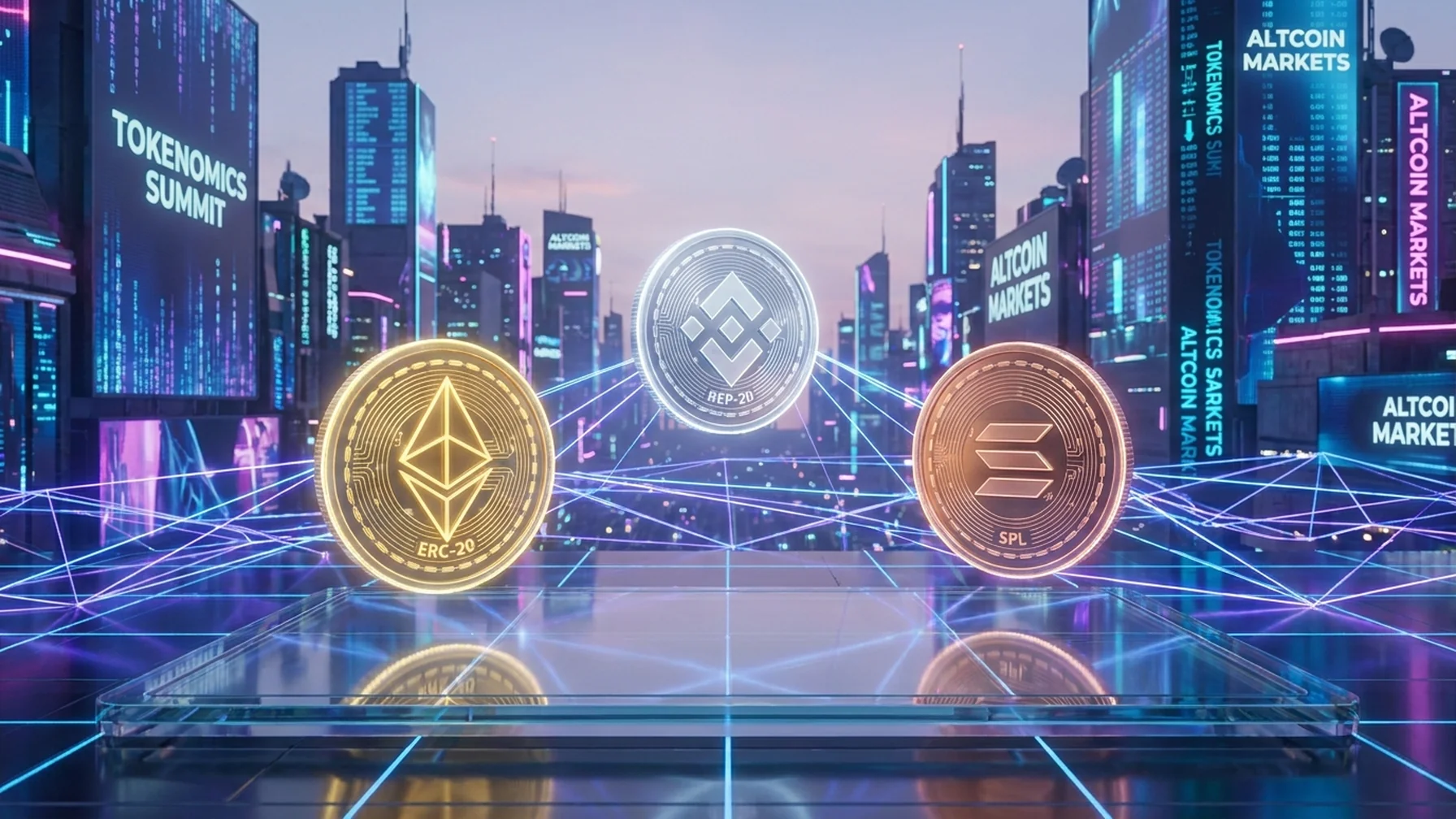
In the ever-evolving landscape of cryptocurrencies, understanding different token standards is vital for making informed decisions. Token standards define the rules and functions that tokens must follow on blockchain platforms. This article provides a detailed comparison of various token standards, such as ERC-20, ERC-721, and others, to guide crypto enthusiasts and developers.
Tokenomics Essentials: The Foundation of Tokens
Tokenomics refers to the economic aspects of a cryptocurrency, including its distribution, circulation, and supply. Two important elements are circulating supply and fully diluted valuation. Circulating supply indicates the number of tokens available in the market, whereas fully diluted valuation considers the potential value if all tokens were in circulation.
Comparing Key Token Standards
Understanding different token standards is crucial for developers and investors. Here is a table comparing some of the most popular token standards used in blockchain technology:
Token Standard Comparison Table
| Token Standard | Primary Use Case | Key Features |
|---|---|---|
| ERC-20 | Smart Contracts and Tokens | Fungibility, Easy Integration |
| ERC-721 | Non-Fungible Tokens (NFTs) | Uniqueness, Ownership Tracking |
| ERC-1155 | Multi-Token Standard | Efficiency, Batch Transfers |
| TRC-20 | Token Creation on TRON | High Throughput, Low Fees |
This table highlights the differences between token standards like ERC-20, ERC-721, ERC-1155, and TRC-20. Each standard is designed for specific applications within the cryptocurrency ecosystem, helping developers select the right one for their projects.
Understanding Token Types
Different token types serve distinct purposes within blockchain systems. Here are some common token types:
- Utility Tokens: Grant access to a product or service within a blockchain ecosystem.
- Security Tokens: Represent ownership in an asset, similar to traditional securities.
- Payment Tokens: Used as a medium of exchange for goods and services.
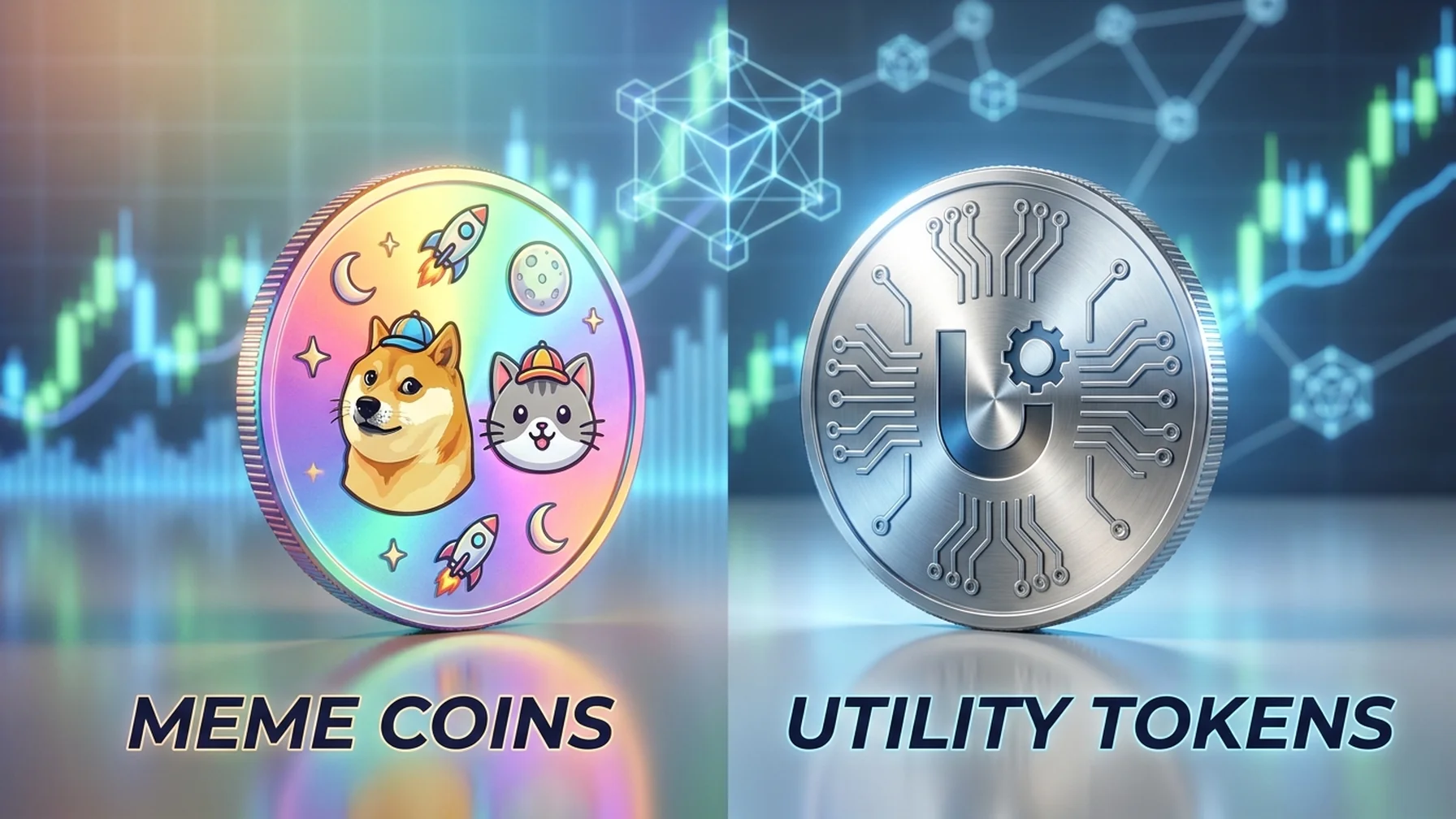
- Meme Coins: Driven by community support and hype, often lacking intrinsic value.
- Stablecoins: Pegged to stable assets like fiat currencies to reduce volatility.
Understanding these token types is essential for developers and investors to ensure compatibility and functionality within the blockchain ecosystem.
Factors in Evaluating Crypto Projects
When assessing crypto projects, several criteria can influence their success or failure. Consider these key factors:
- Fair Launch: Ensures equitable token distribution, promoting decentralization.
- Vesting Schedule: Gradual token release to prevent market dumps and stabilize prices.
- Governance Tokens: Allow holders to participate in project decisions, boosting community involvement.
- Token Burns: Permanently removing tokens to increase scarcity and value.
These factors are crucial in evaluating a project's potential impact on the market and its long-term viability.
Token Distribution Strategies
The method of distributing tokens can significantly affect a project's success. Common strategies include:
- Presale Tokens: Sold before public launch at a discount to raise initial capital.
- Airdrop Tokens: Distributed for free to promote adoption and reward community members.
Choosing the right distribution strategy can influence market dynamics and the perception of a token.
Innovative Token Models
New token models continue to shape the cryptocurrency space. Some notable examples are:
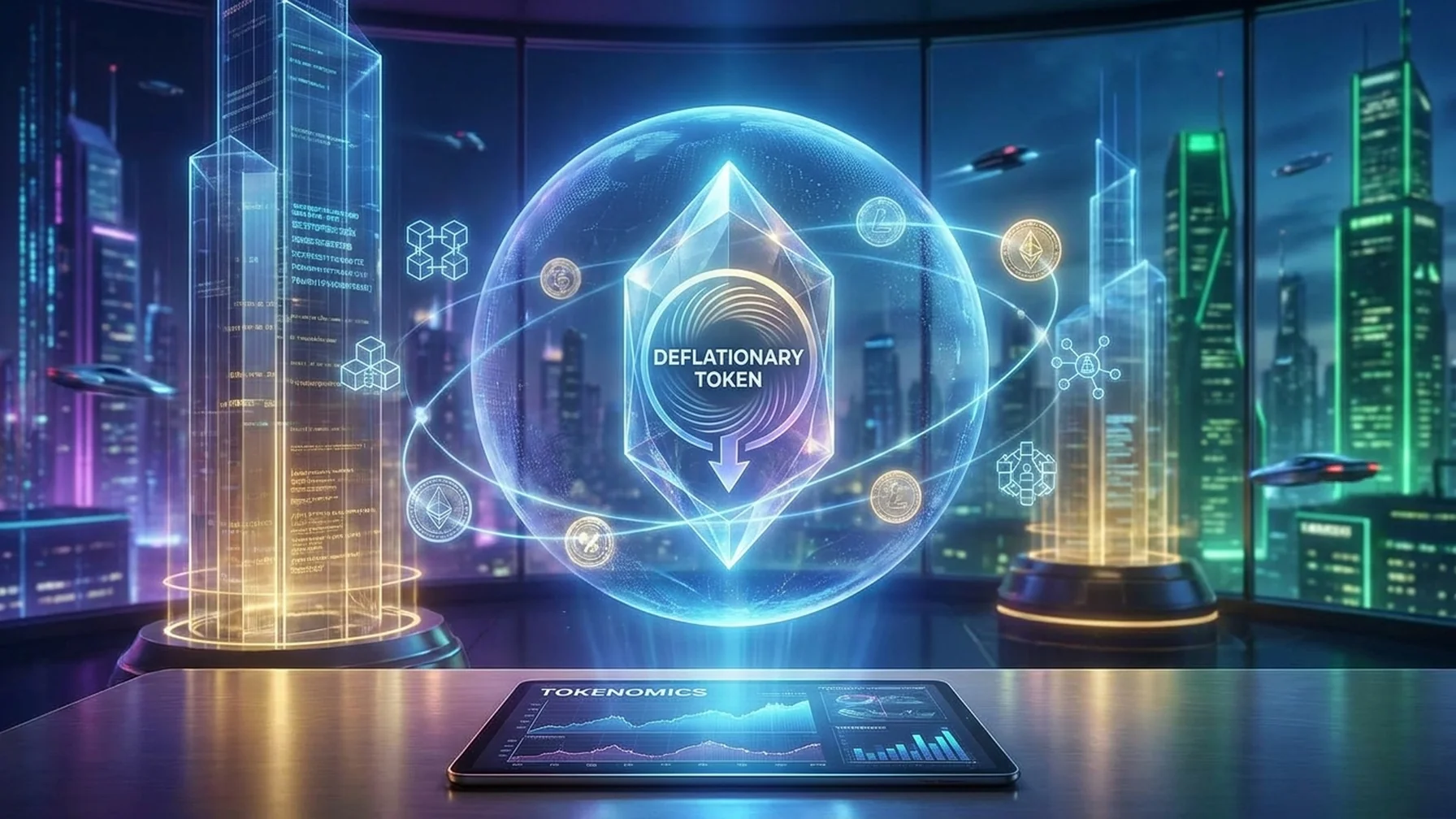
- Deflationary Tokens: Designed to decrease in supply over time, potentially boosting value.
- Rebase Tokens: Adjust supply algorithmically to maintain a stable value.
- LP Tokens: Represent a share in a liquidity pool on decentralized exchanges.
- Wrapped Tokens: Pegged to another cryptocurrency, enabling cross-chain interactions.
These models offer innovative opportunities and functionalities, expanding the potential of blockchain applications.
Token Migration and Fundraising Methods
Token migration involves moving tokens from one blockchain to another to leverage better technology. It's crucial for maintaining token value and accessibility. In terms of fundraising, there are several methods:
- ICO (Initial Coin Offering): Traditional method where tokens are sold before a project launch.
- IDO (Initial DEX Offering): Conducted on decentralized exchanges, offering immediate liquidity.
- IEO (Initial Exchange Offering): Hosted by a centralized exchange, providing security and credibility.
Each method has unique advantages and challenges that influence token accessibility and community trust.
Launchpads and Venture Capital Funding
Launchpads facilitate token sales and project launches, offering crucial support in marketing and community building. Additionally, tokens funded by venture capital (VC) often have greater resources for development and marketing, although they may face centralization risks.
Choosing the right launchpad can significantly impact a project's visibility and success, making it an important consideration for developers and investors alike.
Decentralized Exchange Listings and Token Standards
Decentralized exchange (DEX) listings provide tokens with broader market exposure. However, adhering to specific token standards is essential for compatibility on these platforms. Gas tokens are also important, as they are used to pay transaction fees, affecting the cost of transactions on networks.
Understanding these factors is crucial for ensuring a token's broad adoption and efficient functionality within the blockchain ecosystem.
In summary, comparing token standards involves analyzing various aspects like tokenomics, distribution, and innovative models. This understanding is essential for anyone looking to invest in or develop crypto projects, enabling informed decisions in a dynamic market.