The Future of Altcoin Coverage: Navigating Tokenomics and Emerging Trends
Table of Contents

The future of altcoin coverage is pivotal for investors and enthusiasts as the cryptocurrency world continues to evolve. Aspects like tokenomics, governance tokens, and token standards are foundational to evaluating altcoins. This article dives into these concepts and examines trends that could shape how altcoin coverage unfolds in the coming years.
Understanding Tokenomics in Altcoin Coverage
Tokenomics, a fusion of token and economics, refers to the principles and economic model behind a cryptocurrency. Key components include token distribution, utility, and supply mechanisms. These aspects are crucial for predicting a project's potential success and sustainability.
- Token Distribution: Allocation during presales, airdrops, or fair launches.
- Circulating Supply: The number of tokens available in the market, affecting price dynamics.
- Vesting Schedules: Timelines determining when team members or early investors can sell their tokens.
- Token Burns: The process of permanently removing tokens from circulation to reduce supply.
Each of these elements plays a vital role in shaping the value and utility of a cryptocurrency, impacting investor confidence and market behavior.
Key Trends Influencing the Future of Altcoin Coverage
The future of altcoin coverage will likely emphasize deeper analysis and transparency in tokenomics and project evaluations. As the crypto market matures, investors will demand more robust metrics and insights into project fundamentals.
Here is a table outlining key trends and their potential impact on altcoin coverage:
Key Trends and Impact on Altcoin Coverage
| Trend | Impact |
|---|---|
| Token Migration | Requires updated coverage to track token movements and implications. |
| Wrapped Tokens | Necessitates understanding of cross-chain interactions and liquidity. |
| LP Tokens | Demands insights into liquidity provision and related risks. |
The trends listed above highlight the dynamic nature of altcoin coverage and the need for continuous adaptation by market participants.
Evaluating Crypto Projects Beyond Tokenomics
To effectively evaluate a crypto project, factors beyond tokenomics must be considered. These include the project's governance model, token standards, and community engagement.
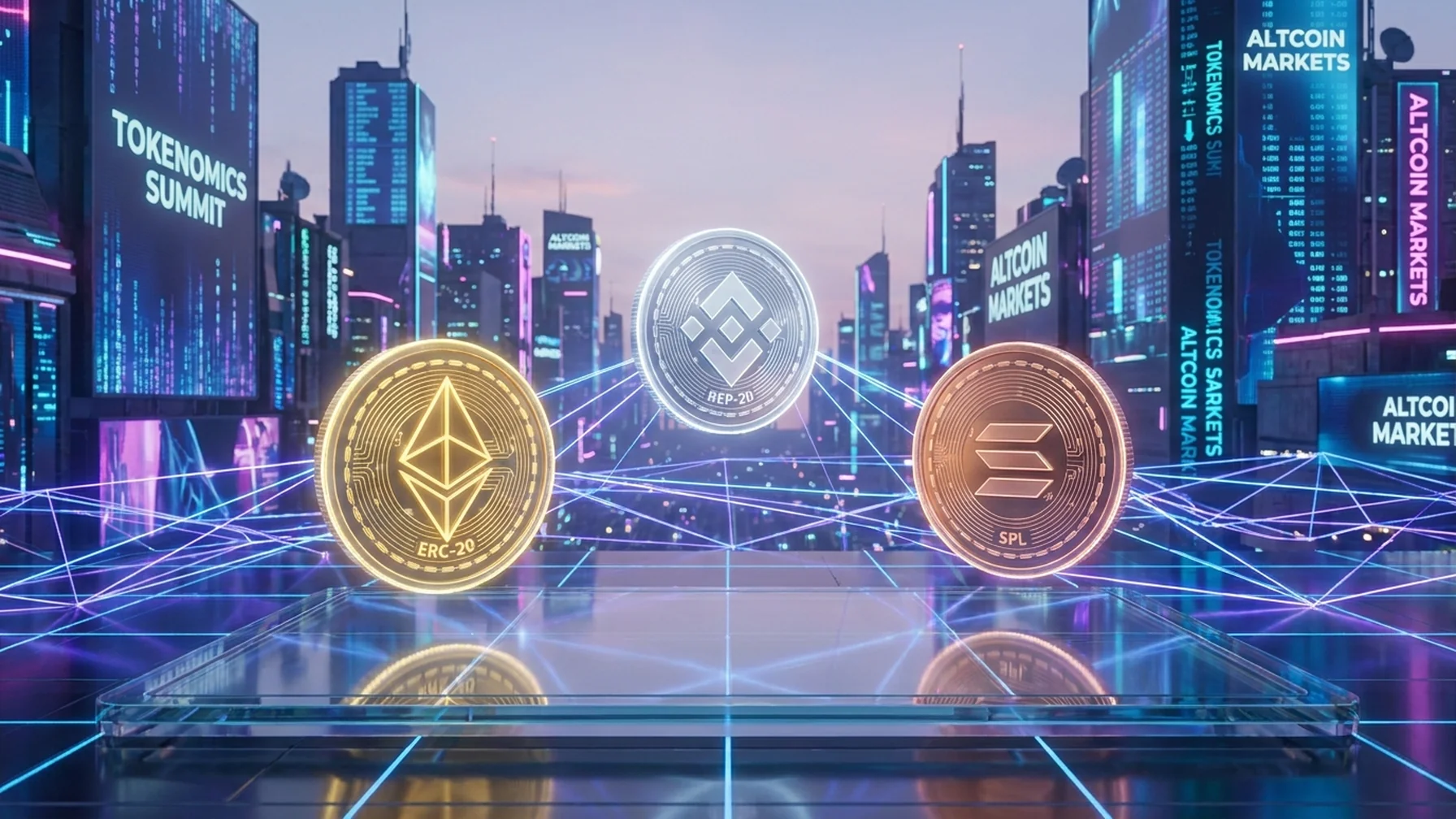
Governance tokens empower holders to vote on project decisions, ensuring decentralized control. The use of standard token protocols like ERC-20 for Ethereum-based tokens ensures compatibility and ease of integration with various platforms.
Additionally, examining the project’s whitepaper and roadmap provides insight into the team’s vision and long-term goals. Community engagement and active development are also indicators of a project's health and potential for growth.
Exploring Types of Tokens and Their Roles
Tokens can be categorized based on their utility and purpose, each serving distinct roles within the crypto ecosystem. Here are some common token types:
- Utility Tokens: Provide users access to a product or service within a blockchain ecosystem.
- Security Tokens: Represent ownership in an asset and are subject to regulatory compliance.
- Meme Coins: Inspired by internet memes, often lacking inherent utility but driven by community engagement.
- Stablecoins: Pegged to a stable asset like the US dollar to maintain a steady value.
- Deflationary Tokens: Designed to decrease in supply over time, increasing scarcity and potential value.
Understanding the type and purpose of a token helps investors gauge its potential use case and market demand.
Key Concepts in Token Launches and Their Implications
Token launches involve several methods, each with unique features and implications. Initial Coin Offerings (ICO), Initial DEX Offerings (IDO), and Initial Exchange Offerings (IEO) are common mechanisms for token distribution.
ICOs were once popular but have seen a decline due to regulatory scrutiny. IDOs offer a decentralized alternative, allowing projects to raise funds directly through decentralized exchanges (DEXs). IEOs, on the other hand, are conducted through centralized exchanges, offering a level of oversight and security.
Launchpads are platforms that facilitate these processes, providing tools and support for projects to reach potential investors efficiently.
The Critical Role of Token Listings
Getting listed on exchanges is a crucial step for any altcoin. DEX listings allow for decentralized trading, while centralized exchange listings can provide greater liquidity and exposure. However, the process can be costly and competitive.
Token listings are influenced by various factors, including the project's reputation, community size, and market demand. A successful listing can significantly enhance a token’s visibility and trading volume.
Steps to Prepare for the Future of Altcoin Coverage
As the landscape of altcoins continues to evolve, it's essential to consider the steps that will shape the future of coverage in this sector. Here are some crucial steps to keep in mind when navigating this rapidly changing environment.
- Assess the technological advancements in blockchain and their implications for altcoins.
- Monitor regulatory changes that may impact altcoin markets and investor sentiment.
- Evaluate the growing role of community engagement and social media in altcoin promotion.
By following these steps, investors and enthusiasts can better prepare themselves for the expected developments in altcoin coverage, ensuring they stay informed and engaged in this fascinating area of cryptocurrency.