Understanding DEX Listings Essentials: A Comprehensive Guide
Table of Contents

Decentralized exchanges (DEXs) are pivotal in the cryptocurrency world, offering platforms for trading a variety of tokens. Understanding the essentials of DEX listings is crucial for grasping tokenomics and effectively evaluating crypto projects. This guide covers key concepts such as fair launch, token distribution, and governance tokens.
Tokenomics: The Foundation of DEX Listings
Before diving into DEX listings, it's essential to understand tokenomics. Tokenomics involves the economic model behind a cryptocurrency, including its supply, distribution, and utility. Grasping these fundamentals helps in assessing a token's potential value and functionality.
Evaluating Crypto Projects: Key Considerations
Evaluating a crypto project requires a thorough understanding of several key components. These factors play a crucial role in determining a token’s viability and long-term success.
- Fair Launch: Ensures equal access to token purchases without pre-sale advantages.
- Vesting Schedule: Determines how and when team members and investors can access their tokens to prevent market flooding.
- Governance Tokens: Allow holders to vote on project changes, fostering community involvement.
- Token Burns: Permanently remove tokens from circulation to decrease supply and potentially increase value.
Analyzing these factors helps project teams prepare for a successful DEX listing, enhancing user experience and fostering greater investor confidence.
Tokenomics Basics: Foundation of Crypto Evaluation
Understanding the fundamental factors of tokenomics can significantly impact the success of your cryptocurrency listing on a decentralized exchange (DEX). The following table provides an overview of these essential factors to consider.
Key Factors Affecting DEX Listings:
| Essential Factor | Description |
|---|---|
| Liquidity | The availability of assets in the trading pair for buyers and sellers. |
| Compliance | Ensuring that the project adheres to relevant legal and regulatory requirements. |
| Market Demand | The interest and potential buyer activity for the assets being listed. |
| Security Measures | Implementing protocols to protect users' assets and data on the exchange. |
| Community Engagement | The level of support and involvement from the project's community. |
By focusing on these essential factors, projects can increase their chances of successful listings and long-term sustainability.
Deciphering Token Types and Their Roles
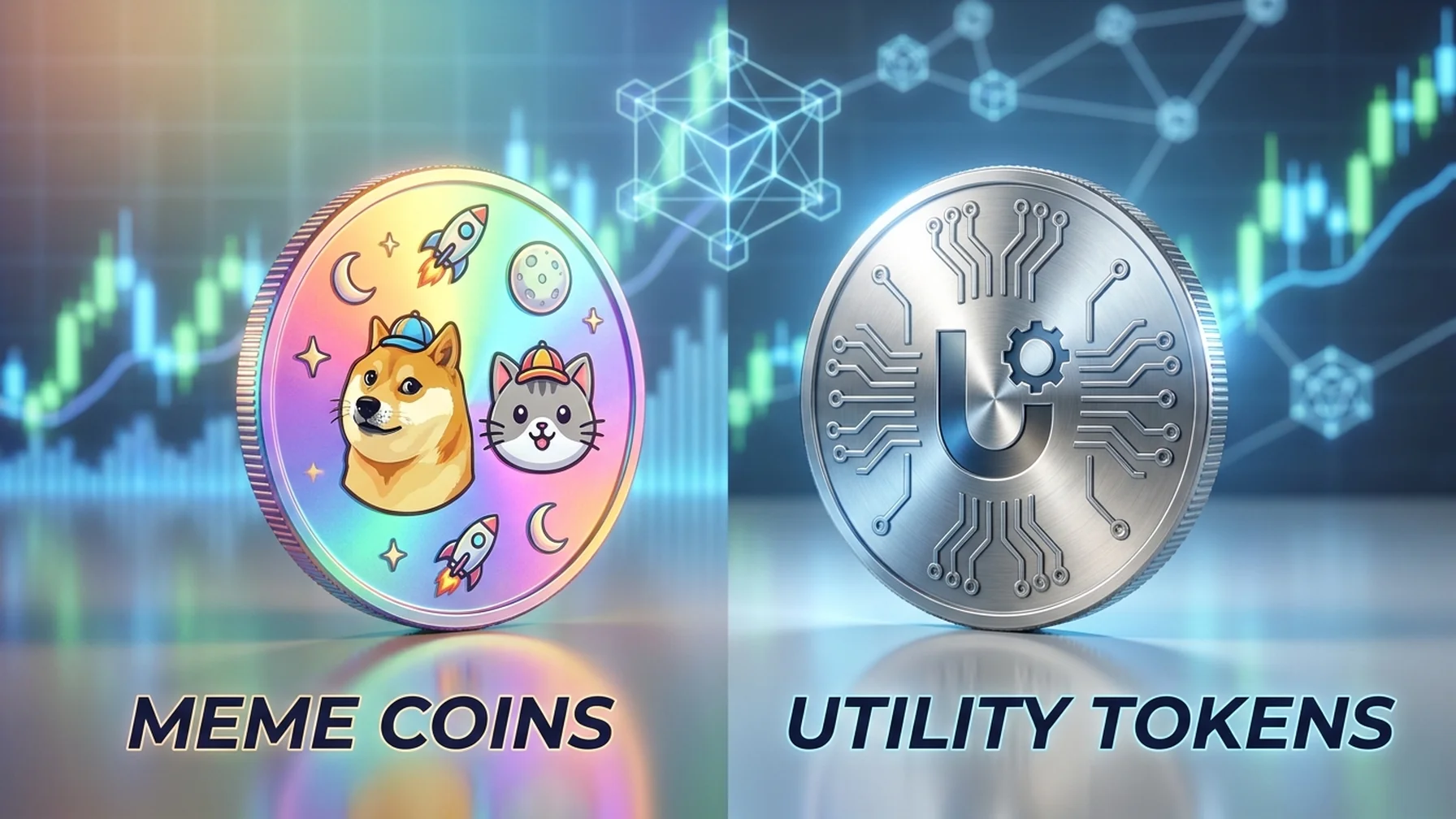
Tokens come in various forms, each serving a different purpose within the crypto ecosystem. Understanding these types is essential for evaluating their potential utility and investment opportunities.
- Utility Tokens: Provide access to a product or service within a platform.
- Security Tokens: Represent ownership in an asset, often subject to regulatory oversight.
- Meme Coins: Tokens driven by community and social media, often with little inherent value.
- Payment Tokens: Used as a medium of exchange, like traditional currencies.
- Stablecoin Types: Pegged to a stable asset like fiat currency to minimize volatility.
- Gas Tokens: Used to pay transaction fees on blockchain networks.
Knowing the different token types aids in assessing their usefulness and potential returns.
Token Distribution and Circulating Supply
Token distribution and circulating supply are key aspects of tokenomics, impacting a token’s market value and liquidity. Distribution refers to how tokens are allocated among stakeholders, while circulating supply is the number of tokens available for trading. A balanced distribution helps prevent market manipulation and ensures fair access.
Understanding Fully Diluted Valuation
Fully diluted valuation (FDV) represents a token’s market cap if all tokens were in circulation. It’s calculated by multiplying the total supply by the current token price. FDV provides insights into potential market saturation and helps investors gauge future growth prospects.
Token Unlocks and Vesting Schedules
Token unlocks involve releasing tokens according to a vesting schedule, which prevents large sell-offs by distributing tokens gradually. Analyzing vesting schedules can provide insights into a token’s price stability and potential supply shocks.
ICO vs. IDO vs. IEO: Choosing the Right Launch Method
Deciding on the right launch method is crucial for new tokens. Here is a quick breakdown of the main options:
- ICO: Direct sale of tokens to investors, often with minimal regulatory oversight.
- IDO: Tokens launched on a DEX, offering immediate liquidity and decentralized access.
- IEO: Conducted on a centralized exchange, providing credibility and a built-in user base.
Each method has its advantages and drawbacks, so understanding them is key to choosing the right approach for a crypto project.
Launchpads and VC Funded Tokens
Launchpads facilitate token sales, offering a platform for projects to raise capital and gain exposure. Venture capital (VC) funded tokens often benefit from substantial backing and expertise, though they may face pressure to deliver returns. Evaluating the involvement of launchpads and VC funding can provide insights into a project's potential success.
Token Migration and Standards
Token migration involves moving a token from one blockchain to another, often to enhance functionality or scalability. Understanding token standards like ERC-20 or BEP-20 is crucial, as they define how tokens operate within their respective networks and influence compatibility with exchanges and wallets.
Special Token Categories: Airdrops, Deflationary Tokens, and More
Some tokens have unique characteristics or distribution methods that can affect their value and utility.
- Airdrop Tokens: Distributed for free to promote a project or incentivize user activity.
- Deflationary Tokens: Designed to decrease in supply over time, often through token burns.
- Rebase Tokens: Adjust supply dynamically to maintain a stable price or value.
- LP Tokens: Represent liquidity pool ownership, used in decentralized finance (DeFi) applications.
- Wrapped Tokens: Tokens pegged to another cryptocurrency, enabling cross-chain transactions.
These categories highlight the diverse approaches projects take to achieve specific goals and enhance functionality.
Conclusion: Mastering DEX Listings Essentials
Understanding the essentials of DEX listings and the diverse components of tokenomics is vital for anyone looking to navigate the crypto landscape. By evaluating key factors like token distribution, launch methods, and token types, you can make informed decisions and identify promising projects in the ever-evolving world of cryptocurrencies.