Breaking Down Payment Tokens: A Comprehensive Guide
Table of Contents

In the rapidly evolving world of cryptocurrencies, payment tokens play a crucial role. Understanding them requires a grasp of tokenomics, which includes elements like token distribution, governance, and more. This article provides a detailed breakdown of payment tokens and their various aspects, helping you evaluate crypto projects effectively.
Understanding Tokenomics Basics
Tokenomics refers to the economic model surrounding a crypto token. It includes the token's supply, distribution, and incentives designed to encourage certain behaviors. Fundamental to this is the concept of fully diluted valuation, which calculates the token's market cap assuming all tokens are in circulation.
Another key aspect is the circulating supply, the number of tokens available to the market at a given time. This differs from the total supply, which includes all tokens, whether locked or unlocked.
Token Distribution and Presales
Token distribution plays a crucial role in a project's decentralization and market perception. Various methods of token distribution can impact how a project is viewed by the community and investors.
Presale tokens are sold before a token's public launch to raise funds. Understanding the presale process involves several steps:
- Announce the presale and its terms to potential investors.
- Conduct the presale, allowing investors to purchase tokens at a set price.
- Hold tokens until the official launch date.
- Token unlock occurs, making presale tokens accessible to their holders.
Token unlocks can potentially impact market prices due to the sudden availability of tokens for trading. Airdrop tokens are distributed for free to promote a project or reward loyal users, helping increase token adoption and awareness.
Below is a comparison of different token distribution methods:
Token Distribution Methods
| Method | Description |
|---|---|
| Presale | Tokens sold before public launch to raise funds. |
| Airdrop | Free distribution to promote or reward users. |
Payment Tokens Breakdown
This table provides a detailed breakdown of various payment tokens, showcasing their key attributes and functionalities. Understanding these tokens is crucial for users and investors navigating the digital payment landscape.
| Token Name | Purpose | Market Cap (USD) | Transaction Speed |
|---|---|---|---|
| Bitcoin | Store of Value | 800 Billion | 10 Minutes |
| Ethereum | Smart Contracts | 400 Billion | 15 Seconds |
| Ripple (XRP) | Cross-Border Payments | 25 Billion | 4 Seconds |
| Litecoin | Peer-to-Peer Transactions | 10 Billion | 2.5 Minutes |
The data in this table highlights the diversity among payment tokens, illustrating their distinct purposes and efficiencies. By comparing market capitalizations and transaction speeds, stakeholders can make informed decisions regarding which tokens to use or invest in based on their needs.
Key Steps to Understanding Payment Tokens
Understanding payment tokens involves breaking down their essential components and functionalities. Here are the key steps to grasp how payment tokens operate in the digital transaction landscape:
- Define what payment tokens are and their purpose in facilitating secure online transactions.
- Explore the different types of payment tokens, including utility tokens, security tokens, and stablecoins.
- Analyze the advantages and potential drawbacks of using payment tokens in various payment systems.
By following these steps, you can gain a clearer insight into payment tokens, their classifications, and their implications for future transactions in an increasingly digital economy.
Evaluating Crypto Projects
Before investing in a crypto project, it's essential to assess its fundamentals. Look at the vesting schedule to understand when tokens are released to early investors or team members. This can impact price stability. Projects with a fair launch distribute tokens without prior sales, promoting decentralization.
Examine governance tokens if the project offers them. These tokens grant holders voting power, influencing the project's future. Also, consider token burns, where tokens are permanently removed from circulation to decrease supply and potentially increase value.
Exploring Different Types of Tokens
Understanding the various types of tokens is critical for identifying potential investments and associated risks. Here are some common token types:
- Utility Tokens: Provide access to a product or service within a blockchain ecosystem.
- Security Tokens: Represent ownership in an asset, subject to regulatory oversight.
- Meme Coins: Often driven by community support and social media, like Dogecoin.
- Deflationary Tokens: Designed to decrease in supply over time, potentially increasing value.
- Rebase Tokens: Adjust supply automatically to maintain price stability.
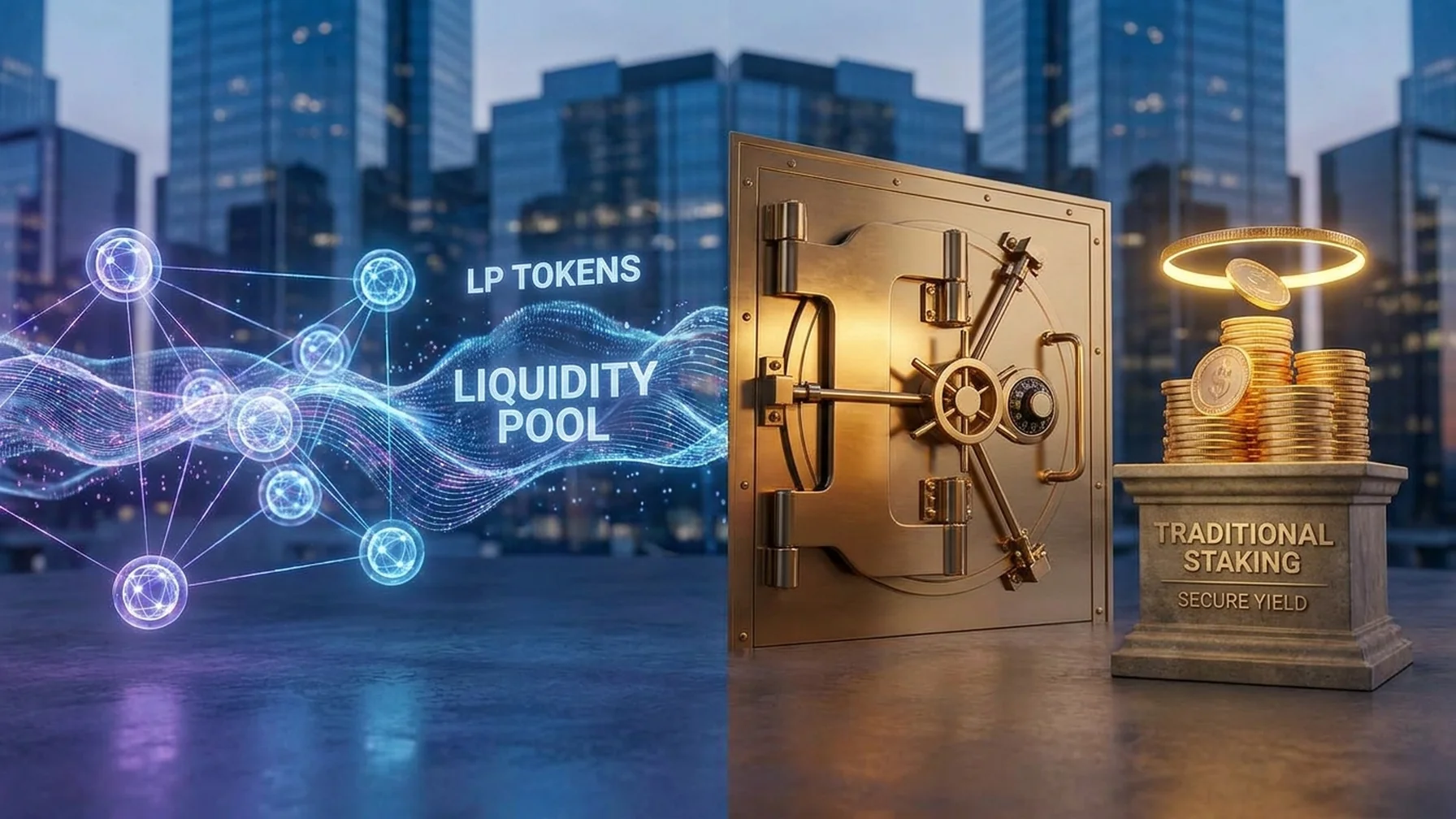
- LP Tokens: Represent liquidity provided to a decentralized exchange (DEX).
- Wrapped Tokens: Tokens that represent another cryptocurrency on a different blockchain.
Understanding these types helps in identifying the potential and risks associated with different crypto projects.
Payment Tokens and Stablecoin Types
Payment tokens are primarily used as a medium of exchange. Within this category, stablecoins are a popular type, pegged to assets like the USD to maintain value stability. Examples include USDC and Tether.
Gas tokens, on the other hand, are used to pay transaction fees on blockchain networks. They are integral to the functionality of various blockchain platforms.
Understanding ICOs, IDOs, and IEOs
Token launches can occur through different methods. An Initial Coin Offering (ICO) is an early method where tokens are sold to raise funds. Initial DEX Offerings (IDOs) occur on decentralized exchanges and often provide immediate liquidity. Initial Exchange Offerings (IEOs) are conducted on centralized exchanges, offering a layer of security and credibility.
Launchpads facilitate these offerings by providing a platform and support for new projects to launch their tokens effectively. They can be crucial for reaching a broad audience quickly.
Token Migration and Standards
Sometimes, projects undergo token migration, moving tokens to a new blockchain to improve functionality or scalability. This process requires careful planning to ensure holders can swap their old tokens for the new ones without losing value.
Token standards, like ERC-20 for Ethereum, define the rules tokens must follow on a particular blockchain. These standards ensure interoperability and ease of integration for developers and users alike.
The Role of DEX Listings and VC Funding
Getting listed on a decentralized exchange (DEX) allows tokens to be traded openly, increasing liquidity. However, it's important to consider the implications of VC funded tokens. These tokens may have significant portions allocated to venture capitalists, influencing their distribution and market behavior.
In conclusion, understanding the various aspects of payment tokens is crucial for anyone involved in the cryptocurrency space. From tokenomics basics to different token types, this breakdown provides a comprehensive guide to navigating this complex yet fascinating financial frontier.