The Impact of Token Burns in Cryptocurrency Ecosystems
Table of Contents
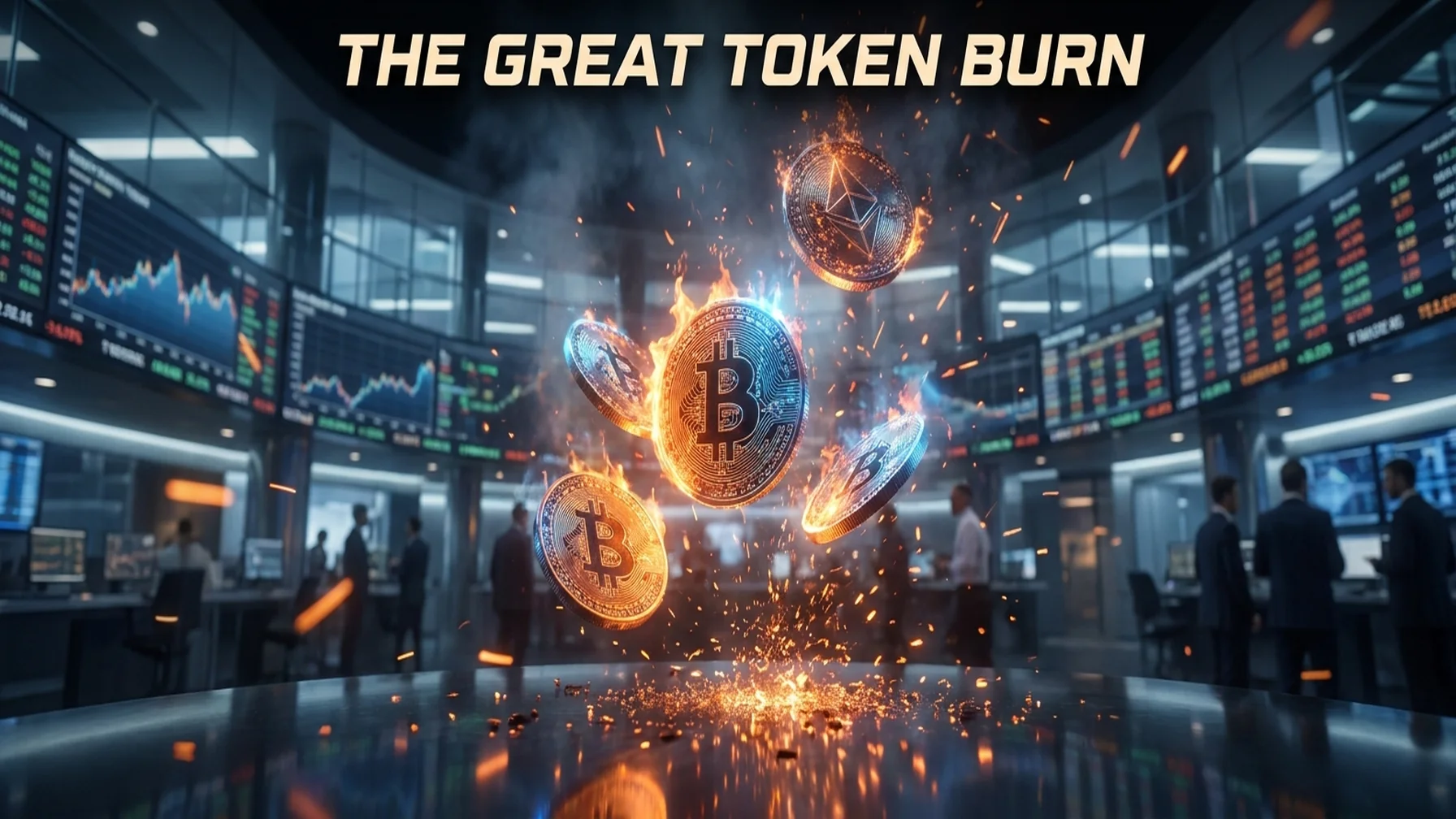
Token burns are a significant component of cryptocurrency ecosystems, affecting token value and scarcity. By reducing the total supply, token burns can influence market dynamics and investor sentiment. This article examines the impact of token burns, focusing on their role in tokenomics, how they affect different types of tokens, and their strategic use in crypto projects.
Understanding Token Burns
Token burns involve the permanent removal of a specific number of tokens from circulation. This is typically achieved by sending tokens to an inaccessible wallet address, effectively destroying them. The primary goal of token burns is to reduce a token's supply, potentially increasing its scarcity and value. Burns are often used by projects to manage inflation and reward holders.
The Role of Token Burns in Tokenomics
Tokenomics, the economic system within cryptocurrencies, includes how tokens are distributed and utilized. Token burns play a key role by impacting factors like fully diluted valuation (FDV) and circulating supply. Reducing the number of tokens in circulation can lead to a perceived increase in value, affecting both FDV and market cap.
The following table outlines the key impacts of token burns:
Key Impacts of Token Burns
| Impact | Description |
|---|---|
| Reduction in Supply | Decreases total supply, potentially increasing scarcity and value. |
| Price Volatility | Can lead to significant price fluctuations as market sentiment changes. |
| Market Confidence | Regular burns can enhance investor confidence in long-term viability. |
| Inflation Control | Helps control inflation within the token's ecosystem. |
This table highlights how token burns influence market dynamics and investor behavior, playing a crucial role in a cryptocurrency's ecosystem.
Evaluating the Impact of Token Burns
Understanding the impact of token burns involves several steps:
- Identify the purpose of the token burn within the project's ecosystem.
- Analyze how the token burn affects supply and demand dynamics.
- Evaluate the long-term effects on token value and community sentiment.
These steps provide deeper insights into the implications of token burns on both the cryptocurrency market and the specific projects involved.
Token Burns and Different Token Types
Token burns impact various types of tokens differently. For example, meme coins might use burns to generate hype and increase scarcity. Utility tokens might use burns to improve token economics, while security tokens could use them for regulatory compliance or managing supply constraints.
- Circulating Supply: Burns decrease circulating supply, potentially increasing each token's value.
- Deflationary Tokens: Burns create deflationary tokens, where supply decreases over time.
- Fair Launch and Token Unlocks: Burns can affect the fairness of distribution by reducing supply post-launch or during vesting.
Investors should analyze whether token burns are strategic and aligned with a project's long-term goals. A well-planned strategy can enhance trust and stability.
Governance Tokens and Token Burns
Governance tokens, which provide holders voting rights, can also be influenced by token burns. By reducing the supply, burns can increase the power and influence of remaining tokens. This can lead to more concentrated governance power, affecting decision-making within decentralized autonomous organizations (DAOs).
Token Burns in ICOs, IDOs, and IEOs
Initial Coin Offerings (ICOs), Initial DEX Offerings (IDOs), and Initial Exchange Offerings (IEOs) are methods for launching new tokens. Token burns can be part of these launch strategies to manage supply post-sale. For example, burns might be implemented after an ICO to adjust supply based on demand.
Burns can also boost investor confidence by showing a commitment to maintaining token value and scarcity.
Strategic Use of Token Burns
Token burns are not just for immediate supply reduction. They can be strategically integrated into a project’s development plan. A project might schedule regular burns based on revenue or transaction volume, tying the burn rate to the platform’s growth.
This approach provides a consistent method for value management, aligning tokenomics with the overall business model.
Risks and Considerations of Token Burns
While token burns can positively impact a project's tokenomics, they come with risks. Over-reliance on burns to drive value can lead to unsustainable practices. Frequent burns without clear strategic intent might signal desperation rather than strength.
Investors should consider the broader context of token burns, including the project's roadmap, team credibility, and market conditions. Analyzing how burns fit into the overall strategy can provide insights into the project's long-term viability.
In summary, token burns are a powerful tool in the cryptocurrency space, influencing token value and scarcity. By understanding their impact, investors can make informed decisions and balance potential benefits against inherent risks.