Security Tokens for Investors: A Strategic Guide
Table of Contents

Security tokens offer investors a new frontier in the cryptocurrency landscape. These digital assets represent ownership in real-world assets like stocks, real estate, or bonds and are regulated under securities laws. This guide covers the fundamentals of security tokens, providing investors with the knowledge needed to navigate this innovative investment opportunity.
Tokenomics: The Heart of Crypto Investments
Understanding tokenomics is vital for assessing any crypto project. Tokenomics refers to the economic model of a token, including its supply, distribution, and utility. Here are key components of tokenomics:
- Circulating Supply: The number of tokens currently available, influencing liquidity and price.
- Vesting Schedule: Controls when tokens are released to stakeholders, preventing market shocks.
- Fully Diluted Valuation (FDV): The potential market cap if all tokens were in circulation, indicating growth potential.
Analyzing these factors helps investors evaluate a project's stability and future returns.
Security Tokens vs. Utility Tokens: Understanding the Difference
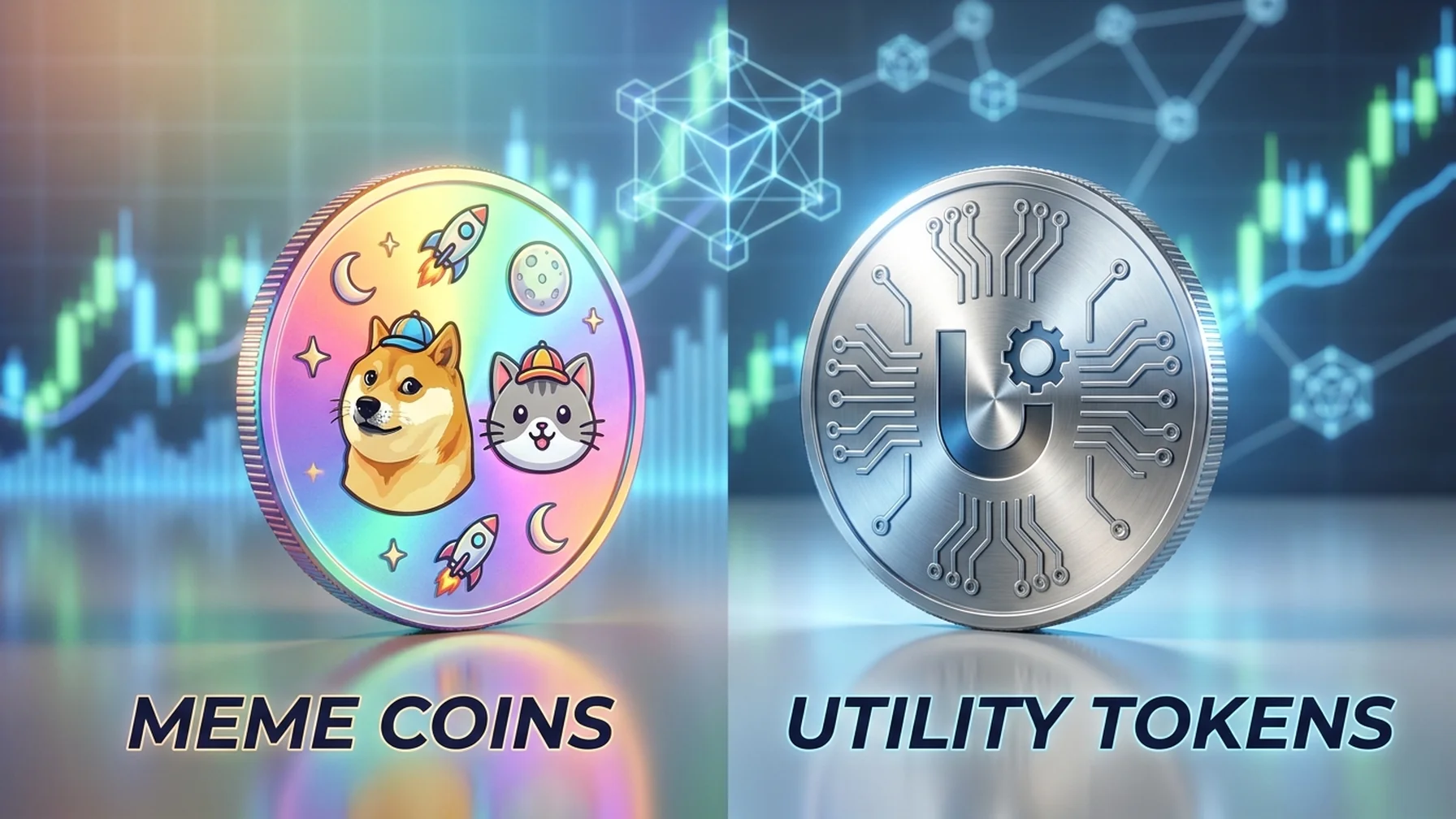
Security tokens and utility tokens serve different purposes within the crypto ecosystem. Security tokens represent ownership in an asset and are subject to securities regulations. In contrast, utility tokens provide access to a product or service within a blockchain network. Here's a table to clarify their differences:
This table contrasts security and utility tokens:
| Aspect | Security Tokens | Utility Tokens |
|---|---|---|
| Purpose | Investment in an asset | Access to a service/product |
| Regulation | Subject to securities laws | Less regulatory oversight |
| Value | Linked to asset performance | Based on utility or demand |
Understanding these differences is critical for aligning investment strategies with financial objectives.
Key Features of Security Tokens
Security tokens have unique attributes that make them appealing to investors. Here are some of their key features:
- Regulatory Compliance: Designed to meet legal frameworks, providing clarity and security for investors.
- Fractional Ownership: Enable investors to buy fractions of assets, lowering entry barriers.
- Increased Liquidity: Can be traded on specialized exchanges, offering potentially better liquidity than traditional assets.
- Smart Contract Integration: Use smart contracts for automating compliance and transactions, enhancing efficiency.
These features highlight why security tokens can be an attractive option for modern investors.
Evaluating Crypto Projects: Essential Factors
Before investing in any crypto project, thorough evaluation is crucial. Consider the team's expertise, the project's use case, and its competitive advantage. A fair launch without pre-mining indicates a more equitable project. Governance tokens allow holders to participate in project decisions, while token burns reduce supply, potentially increasing value.
Different Types of Tokens in the Crypto Market
The crypto market offers a variety of tokens, each with distinct purposes:
- Rebase Tokens: Adjust supply based on price, affecting scarcity and interest.
- LP Tokens: Represent shares in liquidity pools, used in DeFi for passive income.
- Wrapped Tokens: Pegged to other cryptocurrencies, enabling cross-blockchain compatibility.
- Gas Tokens: Used for paying transaction fees on blockchain networks.
Understanding these types helps investors diversify their portfolios and manage risks effectively.
Token Standards and Migration: Compliance and Adaptability
Security tokens must adhere to standards like ERC-20 or ERC-721 to ensure interoperability and compliance. Token migration involves moving tokens between blockchains to improve features or scalability. Investors should be aware of these aspects as they impact a token's functionality and security.
Exploring ICOs, IDOs, and IEOs
Launching new tokens can occur through Initial Coin Offerings (ICOs), Initial DEX Offerings (IDOs), or Initial Exchange Offerings (IEOs). ICOs involve direct sales to investors, IDOs take place on decentralized exchanges, and IEOs on centralized ones. Each method offers varying levels of security, exposure, and risk.
Launchpads and Listings: Enhancing Market Visibility
Launchpads help new projects gain visibility and funding. Listing on decentralized exchanges (DEX) or centralized exchanges (CEX) can significantly affect a token's liquidity and accessibility. Monitoring these listings is crucial as they can influence a token's market performance.
Payment Tokens and Stablecoins: Reducing Volatility
Payment tokens facilitate transactions within digital ecosystems, while stablecoins are pegged to fiat currencies, reducing volatility. Understanding these options aids investors in making strategic portfolio diversification and risk management decisions.
Investment Steps for Security Tokens
Investing in security tokens involves several steps to ensure a well-informed decision-making process:
- Research the Project: Evaluate the project's goals, team, and market potential.
- Analyze Tokenomics: Understand the token's supply, distribution, and economic model.
- Assess Regulatory Compliance: Ensure the token adheres to legal standards.
- Consider the Market Environment: Analyze market conditions and trends.
- Make an Informed Decision: Based on research and analysis, decide on the investment.
By following these steps, investors can navigate the complexities of security token investments more effectively.
In conclusion, security tokens present a promising investment avenue with their regulatory compliance and innovative features. Investors who understand the intricacies of tokenomics, project evaluation, and market dynamics can capitalize on the opportunities offered by this evolving market.